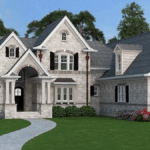


The real estate market in 2025 is thriving with diverse options for homebuyers. From luxury estates to affordable starter homes, finding the perfect property requires careful planning, understanding market trends, and setting a realistic budget. Whether you’re a first-time buyer or looking to upgrade, this guide will help you navigate the process and make informed decisions.
Understanding the 2025 Real Estate Market
Shifts in Buyer Preferences
In 2025, homebuyers are leaning towards smaller, more manageable properties instead of sprawling estates. This change is driven by factors like affordability, easier maintenance, and evolving lifestyle preferences. Many buyers prefer homes that balance comfort with efficiency, reflecting the trend toward compact living spaces and modern amenities.
Regional Market Dynamics
Different regions present distinct opportunities for buyers. Urban centers continue to attract young professionals seeking well-connected neighborhoods, while suburban areas are popular for families looking for space and tranquility. Affordable housing is particularly in demand, with many buyers prioritizing properties within their budget without compromising essential features or convenience.
Setting Your Budget: A Critical First Step
Assessing Financial Readiness
Before exploring homes, evaluate your financial health. This includes reviewing your income stability, credit score, existing debts, and savings for a down payment and closing costs. Being financially prepared ensures that you can confidently pursue properties that fit your budget and lifestyle.
Determining Affordability
A common guideline is to keep your monthly mortgage payment below 25% of your take-home pay. Factor in property taxes, insurance, maintenance costs, and any potential homeowners association fees. Setting a realistic budget helps avoid financial strain and allows for a smooth homeownership experience.
Identifying the Right Property
Location Considerations
Location significantly impacts property value and your quality of life. Consider factors such as proximity to work, schools, healthcare, shopping, and public transportation. A well-located home not only provides convenience but also ensures better long-term value appreciation.
Property Features
Make a list of essential features. This could include the number of bedrooms and bathrooms, outdoor space, modern amenities, energy-efficient appliances, and smart home technology. For luxury properties, features like home automation, sustainable construction, and wellness-focused designs are increasingly popular.
New vs. Resale Homes
Choosing between new construction and resale homes depends on your priorities. New homes offer modern designs, warranties, and minimal maintenance, but may come at a higher price. Resale homes may have character, established neighborhoods, and lower upfront costs, though renovations might be necessary.
Navigating the Buying Process
Pre-Approval for a Mortgage
Obtaining mortgage pre-approval helps you understand your financial limits and signals to sellers that you are a serious buyer. Pre-approval involves submitting financial documents to a lender, who evaluates your creditworthiness and determines the loan amount you qualify for.
House Hunting
With a clear budget and list of priorities, start your search. Utilize online listings, attend open houses, and engage with real estate agents to find properties that meet your criteria. Keep in mind that compromises may be needed on certain features to stay within your budget.
Making an Offer
Once you find a suitable home, make a competitive offer based on market conditions and comparable properties. Negotiation is common, and your real estate agent can guide you to ensure a fair deal. Be prepared that the final purchase price may differ from your initial offer.
Closing the Deal
After an offer is accepted, the closing process begins. This includes finalizing the mortgage, conducting inspections, and signing legal documents. It’s important to carefully review all paperwork and ensure that all conditions are met before officially taking ownership.
Tips for Choosing the Best Home
- Prioritize Must-Haves vs. Nice-to-Haves: Focus on essentials first to avoid overspending on less important features.
- Consider Resale Value: Even if buying your dream home, think about how easy it would be to sell in the future.
- Check Neighborhood Trends: Look at school ratings, crime rates, and development plans to ensure long-term satisfaction.
- Think Long-Term: Consider your future needs, such as family growth, accessibility, or potential upgrades.
- Inspect Thoroughly: Whether new or resale, ensure the property is structurally sound and free from major issues.
Conclusion
Finding the perfect home within your budget in 2025 requires research, financial planning, and patience. Understanding market trends, defining your financial readiness, and knowing what you want in a property will help you make a smart investment. By carefully navigating the buying process, you can secure a home that not only fits your current lifestyle but also serves as a valuable asset for the future.
FAQs
What is the ideal time to buy a home in 2025?
The real estate market tends to be more favorable during spring and fall, when more listings are available, and buyers can negotiate better deals with less competition.
How much should I save for a down payment?
A general guideline is 20% of the home’s price to avoid private mortgage insurance and secure better loan terms. Some programs may allow lower down payments, especially for first-time buyers.
Should I buy a new home or a resale property?
New homes offer modern features and warranties but may cost more. Resale homes often have established neighborhoods and character but might require renovations. Choose based on your budget and priorities.
How do I know if I am financially ready to buy?
Review your savings, income stability, credit score, and debt-to-income ratio. Ensure you can cover a down payment, closing costs, and maintain an emergency fund.
What factors should I consider when choosing a location?
Consider commute times, proximity to schools and healthcare, neighborhood amenities, and safety. A well-chosen location adds both convenience and long-term value to your property.